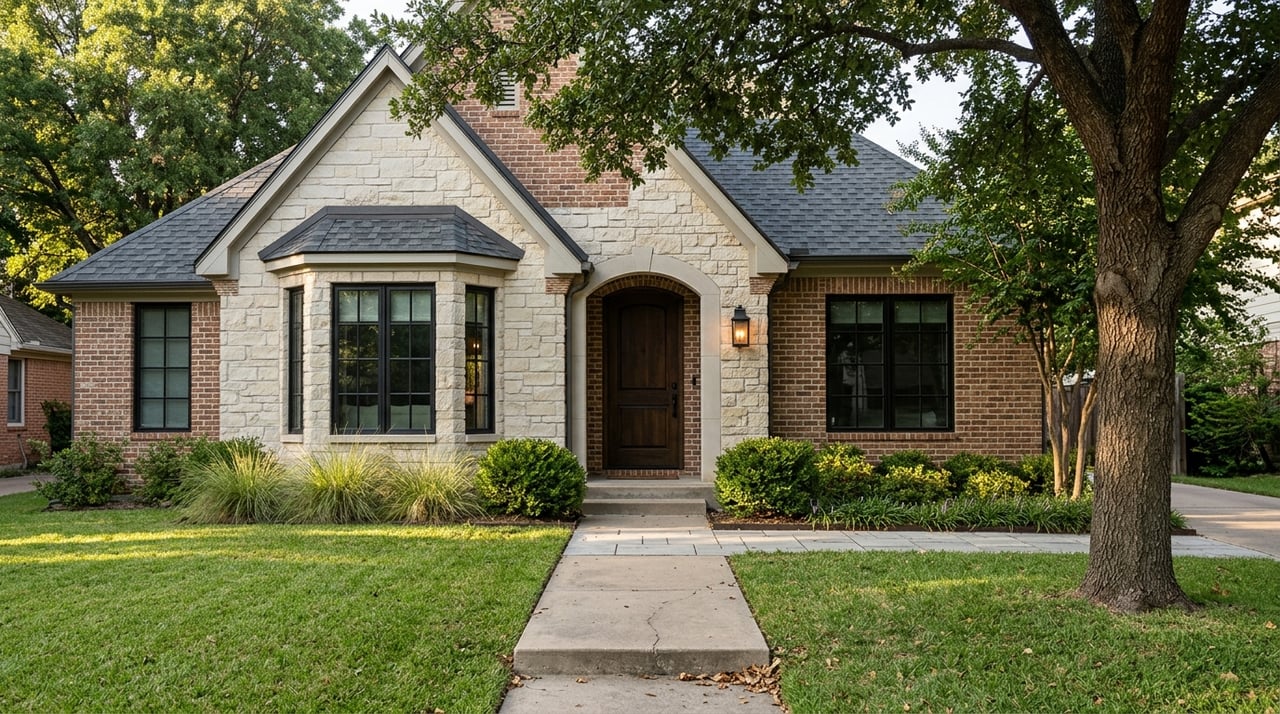
Flower Mound New Builds Vs Established Homes
Trying to choose between a brand-new home and an established one in Flower Mound? It is a smart question, especially in a market where homes can look similar on paper but feel very different once you compare the lot, neighborhood layout, trees, HOA setup, and long-term upkeep. If you are weighing both options, this guide will help you understand what each path really offers in Flower Mound so you can make a confident decision. Let’s dive in.
Flower Mound is not a free-form growth market where new neighborhoods pop up without much structure. The town uses its Master Plan and SMARTGrowth approach to guide development while preserving community character, natural areas, native prairies, oak forests, and the Cross Timbers setting.
That matters because your decision is not just about a house. In Flower Mound, it is also about how the home fits into a planned community, the surrounding open space, the tree canopy, and the overall neighborhood feel.
This is also a higher-cost market, which makes side-by-side comparisons more important. As of spring 2026, Realtor.com reported a median listing price of $730,000, with 424 homes for sale and a median 33 days on market, while Zillow estimated an average home value of $613,899 and homes going pending in around 8 days.
In Flower Mound, new construction usually means homes in larger master-planned communities rather than scattered infill projects. That creates a different experience than what you might see in older, more pieced-together suburbs.
One clear advantage of newer communities is built-in amenities. Canyon Falls, for example, is a 1,242-acre master-planned community spanning Flower Mound, Northlake, and Argyle, with about 626 acres in Flower Mound.
According to the town, current builders there include Drees, Belclaire, American Legend, Chesmar, Coventry, and Windmiller. Homes range from 2,700 square feet to more than 5,000 square feet, with prices from the $600s to over $1 million.
The amenity package is a big part of the appeal. Canyon Falls includes 200 acres of natural open space, 10 miles of paved trails, four miles of natural trails, pools, a splash pad, and a fitness center.
Furst Ranch is another example of Flower Mound new construction. Its plans include homes, parks, trails, open space, and eventually retail, dining, healthcare, and job centers.
New homes can also bring lower utility use and fewer immediate upgrade projects. The EPA says ENERGY STAR certified new homes are at least 15% more efficient than homes built to current code and are typically 20% to 30% more efficient.
The EPA also says WaterSense labeled homes are 30% more water-efficient than typical new construction. On average, that can save a family about 50,000 gallons of water and around $700 per year.
If you want a home that may need less work right after closing, this can be a real benefit. It may also make your monthly ownership costs more predictable.
Another common plus with new construction is warranty coverage. The FTC explains that a builder warranty usually comes with a newly built home and commonly covers workmanship and materials.
That is different from many existing-home purchases, where a separate home warranty or service contract may be optional rather than built in. If peace of mind is high on your list, that difference can matter.
Established homes in Flower Mound are often older than new builds, but they are not usually historic or outdated in the way some buyers imagine. The town’s 2025 Consolidated Plan says 95% of housing units were built after 1979, with 56% built from 1980 to 1999 and 38.5% built in 2000 or later.
In other words, many established Flower Mound homes are still relatively modern. They simply come from an earlier phase of the town’s growth.
One of the biggest advantages of established neighborhoods is the landscape. Flower Mound’s Urban Forestry program protects native and established trees and requires tree replacement in certain construction situations.
The town also notes that established and native trees are well adapted to local conditions. That is one reason mature canopy can be such a meaningful lifestyle feature in older neighborhoods.
If you love shade, visual privacy, and that settled neighborhood look, established areas may have an edge. In Flower Mound, tree presence is not just cosmetic. It is part of the town’s identity.
Established neighborhoods also let you see more of the day-to-day environment upfront. You can get a clearer sense of traffic flow, landscaping maturity, home upkeep patterns, and how amenities are actually used.
A local example is Bridlewood, a master-planned golf-course community that began development in 1996. Community Impact described it as having 11 neighborhoods, estimated HOA dues of $885 annually, home sizes from 2,410 to 5,702 square feet, plus a pool, fitness center, playgrounds, parks, and trails.
That is a good reminder that established neighborhoods in Flower Mound can still feel polished, spacious, and amenity-rich. Choosing an older home does not automatically mean giving up scale or neighborhood features.
The main tradeoff with an established home is maintenance and modernization. Depending on the property, you may need to look more closely at HVAC, insulation, windows, appliances, or other systems.
The EPA notes that home energy retrofits can be cost-effective and can improve health, comfort, and safety. So while an established home may offer more mature surroundings, you may need to budget for improvements that a new home already includes.
The better option usually comes down to how you want to live, not just the home’s age. Here is a simple side-by-side view.
| Factor | New Builds | Established Homes |
|---|---|---|
| Community style | Often in large master-planned developments | Often in fully built-out neighborhoods |
| Energy efficiency | Commonly stronger from the start | May require upgrades or retrofits |
| Warranty | Builder warranty often included | Separate coverage may be optional |
| Landscaping | Newer yards and younger trees | More mature canopy and landscaping |
| Neighborhood feel | Still evolving in some areas | Easier to evaluate as-is |
| Amenities | Often strong amenity packages | Can also be amenity-rich, depending on area |
In Flower Mound, the smartest buyers compare details at the neighborhood and property level. Assumptions can lead you in the wrong direction.
Do not assume every new home has a smaller yard or every established home has a larger one. Compare the actual parcel, setbacks, usable outdoor space, and tree canopy from one property to the next.
Because Flower Mound places real value on tree preservation, the lot itself can play a big role in how a home lives over time. Shade, privacy, and future landscaping flexibility all matter.
Flower Mound has many association-governed neighborhoods, and the town maintains a public HOA directory. That means HOA dues, design standards, and amenity upkeep should be part of your monthly budget review.
Communities like Bridlewood and Canyon Falls show how HOA expectations can be meaningful. Before you choose, make sure you understand not just the dues, but also the lifestyle and maintenance standards that come with them.
Flower Mound’s affordability analysis found that from 2019 to 2023, median home price rose 53% while owner incomes rose 5.72%. The town specifically noted that new high-end subdivisions helped push up median and average rents and values.
That makes your total monthly cost especially important. A newer home may have a higher price but lower near-term maintenance, while an established home may offer a different balance between purchase price, upgrades, and outdoor features.
Resale is not just about whether a home is new or old. In Flower Mound, neighborhood-level market speed varies quite a bit.
Realtor.com reported median days on market of 20 in Wellington, 32 in Bridlewood, 54 in Lakeside DFW, and 56 in Prairie Creek. That range suggests price point, location, and product type can matter just as much as age.
A new build may fit you best if you want updated efficiency, newer systems, builder warranty coverage, and planned amenities in a developing community. It can be a strong fit if you value predictability and a lower chance of immediate repair projects.
An established home may fit you best if you care most about mature trees, a more settled neighborhood feel, and seeing the full environment before you buy. It can also appeal to buyers who are comfortable planning updates over time.
In Flower Mound, there is no one-size-fits-all answer. The right choice usually comes down to your comfort with maintenance, your lot and landscape priorities, your budget, and the kind of neighborhood experience you want every day.
If you want help comparing specific Flower Mound neighborhoods, builders, or resale opportunities, Lorraina Moore can help you look beyond the listing photos and focus on the details that matter most for your move.
Lorraina Moore is dedicated to helping you find your dream home and assisting with any selling needs you may have. Contact her today to start your home searching journey!