Is your Colleyville home worth more than it was last year, or has the market cooled? Pricing is the single biggest decision you make as a seller, and it sets the tone for everything that follows. If you want strong offers without sitting on the market, you need real local data, a clear strategy, and a plan that fits your timeline.
In this guide, you’ll learn how to read Colleyville market signals, build a rock-solid CMA, factor in school zones and neighborhoods, anticipate appraisal issues, and choose a pricing approach that matches your goals. Let’s dive in.
Start with a market snapshot
Before you set a price, take a quick pulse on Colleyville and the broader Fort Worth–Arlington area in Tarrant County. The goal is to understand supply, demand, and buyer behavior right now.
What to check each week
- Active inventory in Colleyville. Rising supply usually means more competition and softer pricing power. Low inventory supports stronger pricing.
- Pending vs active counts. A high pending-to-active ratio signals solid demand.
- Median and average sale price trends over the last 3 to 12 months.
- Days on market and list-to-sale price ratio. Longer DOM and lower ratios point to buyers gaining leverage.
- Price bands. Identify which tiers are moving fastest, from entry to mid to luxury.
- Luxury indicators. In the top 10 to 20 percent of the market, expect longer marketing times and a different buyer profile.
Where to find reliable data
- Local MLS data feeds such as NTREIS and monthly broker reports provide the most accurate active, pending, and closed metrics.
- Tarrant County Appraisal District for parcel details, tax history, and lot information.
- City of Colleyville permitting records for verified upgrades and additions.
- School district boundary maps and campus pages for Grapevine-Colleyville ISD to confirm attendance zones.
- National and regional context from reputable sources such as the National Association of Realtors and Texas research institutions. Cross-check public sites with MLS data.
Build a local CMA that fits your home
A strong Comparative Market Analysis is the backbone of accurate pricing in Colleyville. Focus on the most relevant, recent sales and align your home with the right micro-market.
How to choose comps
- Time frame. Use closed sales from the past 3 to 6 months. If inventory is thin, extend to 6 to 12 months and note any market shifts.
- Location. Start with your neighborhood. If needed, expand to a 0.25 to 1-mile radius while keeping lot type and community features similar.
- Property match. Compare single-family homes with similar square footage, beds and baths, lot size, age, garage capacity, pool or spa, outdoor living, privacy, and major systems.
Typical adjustments to consider
- Size and layout. Convert comp sales to price per square foot as a starting point, then adjust for meaningful differences in functionality.
- Beds and baths. Account for the difference between a full bath and a half bath and any functional bedroom changes.
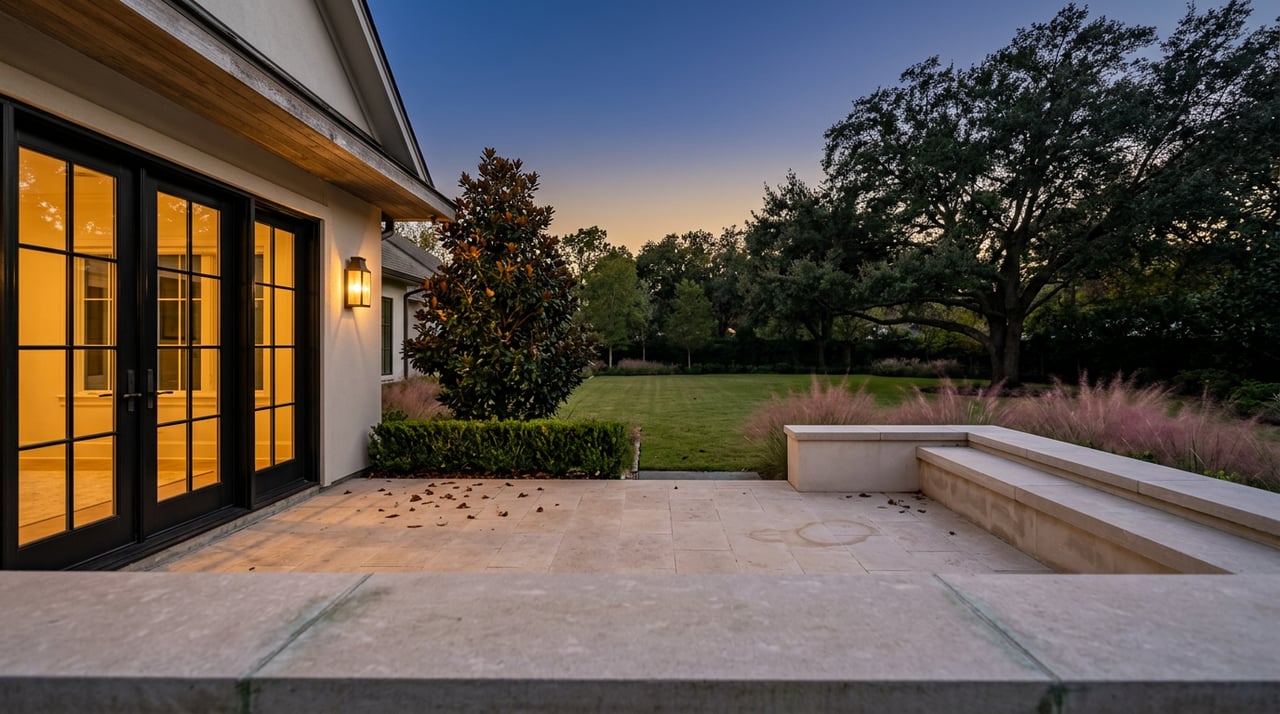
- Pools, lots, and acreage. In Colleyville, outdoor living often carries a premium. Large lots or unique privacy may justify a meaningful adjustment.
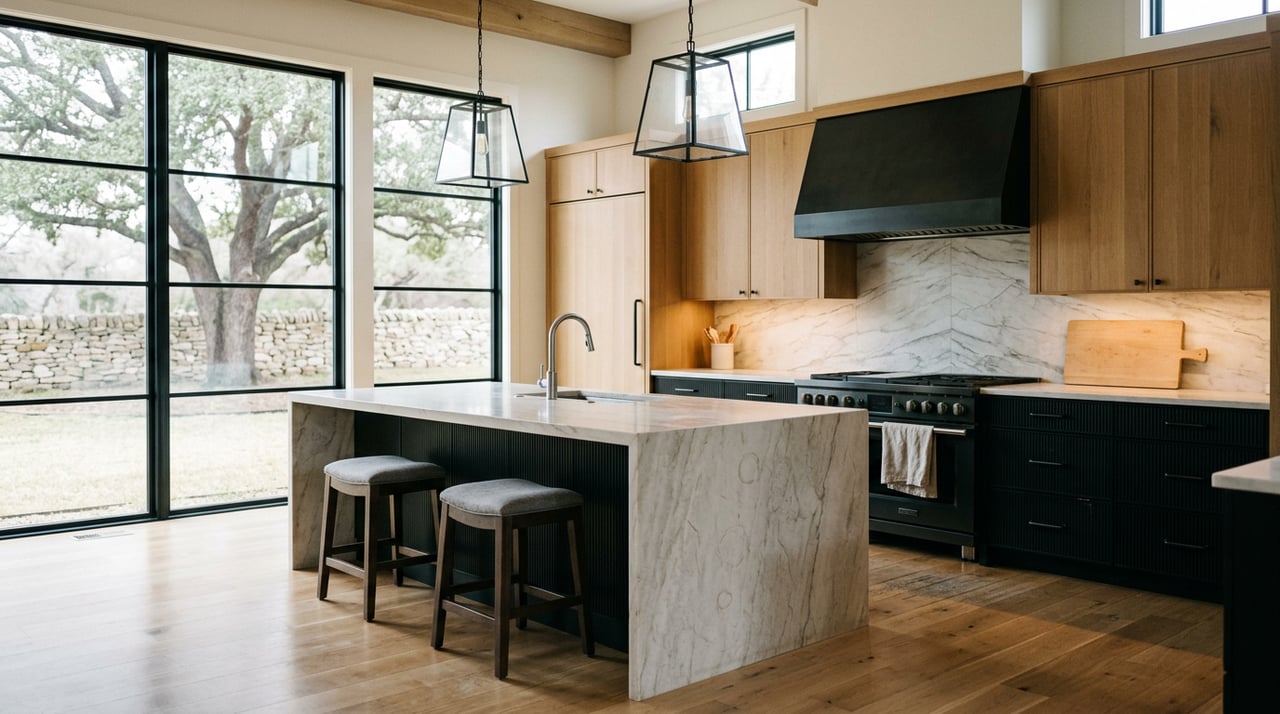
- Renovations and condition. Updated kitchens and baths, high-end finishes, and custom features can add value. The size of the premium depends on scope and buyer demand.
- Guest suites and accessory structures. Add value if they appeal to your likely buyer pool.
Luxury specifics
Luxury buyers focus less on simple price per square foot and more on quality, privacy, acreage, and amenities like theaters, outdoor kitchens, and smart-home systems. You may need to widen the geographic and time window to find true luxury comps.
Avoid common CMA traps
- Do not rely only on automated values. Online estimates often miss custom features and lot premiums.
- Do not cherry-pick outlier or stale sales. Old or non-comparable deals can lead to overpricing that hurts momentum.
Factor in school zones and neighborhoods
In Colleyville, school assignment can influence buyer search behavior and marketing time. Many buyers filter by Grapevine-Colleyville ISD attendance zones, so verify the exact schools for your property.
- Confirm your assigned schools using district boundary maps rather than neighborhood names.
- If your schools or nearby campuses have strong performance indicators, consider including neutral, factual information in your marketing.
- Compare sales inside versus just outside a given zone to understand pricing behavior in your micro-market.
- Account for HOA rules, dues, and amenities. Gated enclaves and estate pockets can attract distinct buyer pools with different price elasticity.
Keep language neutral and factual about schools. Let verified data and a neighborhood-level CMA speak to demand.
Understand appraisal vs market value
Market value is what a ready, willing, and able buyer will pay today. A lender’s appraisal estimates market value but follows specific guidelines. Appraisals sometimes come in below contract price, especially if comps are limited or adjustments are large.
Reduce appraisal risk
- Share your pre-listing CMA and the comps you used with the appraiser.
- Provide receipts and permits for major upgrades, including roofs, HVAC, windows, kitchens, and additions.
- Consider a pre-listing appraisal or an appraisal review if you plan to list above recent comps, especially for unique properties.
- For luxury features, include itemized details that support value.
Consider a pre-listing inspection
A pre-listing inspection helps you uncover issues that could affect buyer offers or an appraiser’s view of condition. Decide which repairs to make and keep documentation organized to build buyer confidence.
Set a pricing strategy that fits your timeline
Your timeline and risk tolerance should guide your pricing approach.
If you plan to sell in 6 to 12 months
- 6 to 12 months out. Gather comps, review Tarrant County Appraisal District data, order inspections if helpful, and price out any major repairs.
- 3 to 6 months out. Finalize upgrades, obtain permits for planned work, and coordinate a target listing window based on local seasonality.
- 0 to 3 months. Finalize your price range, complete staging and photography, and prepare to launch.
Quick sale vs patient strategy
- Need a fast sale. Consider pricing slightly below market to boost showings and attract multiple offers.
- Time is on your side. Price at market or slightly above. Watch activity closely and be ready to adjust.
Tactics and trade-offs
- Aggressive underpricing. Can spark competition in hot segments but carries the risk of undershooting if demand is soft.
- Market-based pricing. Anchored by a tight CMA, this balances speed and net proceeds.
- Aspirational pricing. May work for unique homes with outstanding presentation, but expect longer DOM and possible reductions if the market does not respond.
Offers and your net
Consider the full offer package, not just the price. Financing type, appraisal gap coverage, inspection contingencies, seller-paid costs, and closing timelines can all change your bottom line.
Presentation that supports your price
In Colleyville, presentation and targeting often matter as much as price.
- Invest in professional photos and media that highlight your best features, outdoor living, upgrades, and lot advantages.
- Stage to match buyer expectations in your price tier. Emphasize flexible spaces, storage, and move-in readiness.
- Write a clear, factual description. Note verified school assignment, permitted updates, and major systems with warranties.
- Target luxury marketing channels when appropriate. Luxury buyers expect high-quality materials and a polished launch.
Watch the data and adjust quickly
Once listed, the market gives fast feedback. If you have strong marketing and limited showings or weak feedback after 7 to 14 days, consider a strategic adjustment. Track online views, showing volume, and how you compare to new competing listings each week.
Your Colleyville pricing checklist
Use this list to stay organized and support your pricing with facts buyers and appraisers respect.
- Market data. Active, pending, and closed sales for the last 90 days, with DOM and list-to-sale ratios by price band.
- Comps package. A tight set of sold, pending, and active comps with notes on adjustments.
- Property documents. Tarrant County Appraisal District parcel info, recent tax statements, HOA CC&Rs and dues, recent utility bills, warranties, and permits.
- Upgrades file. Receipts, photos, and contractor details for roofs, HVAC, windows, kitchens, baths, flooring, and exterior work.
- School confirmation. District boundary verification and factual campus information where appropriate.
- Condition review. Pre-listing inspection report and a repairs list with estimates or completed work orders.
- Compliance items. Texas Seller’s Disclosure Notice, plus any local ordinances, floodplain or drainage details, and septic versus sewer status.
- Launch plan. Staging checklist, photography plan, and a pricing range with pros and cons for each tier.
Ready to price with confidence?
If you want a price that attracts the right buyers without leaving money on the table, partner with a local expert who understands Colleyville micro-markets, school zones, and luxury buyer expectations. With hands-on staging guidance, data-backed pricing, and polished marketing, you can list with clarity and negotiate with confidence.
Let’s build your custom pricing plan, CMA, and launch strategy. Connect with Lorraina Moore to get started.
FAQs
How should I pick comps for a Colleyville home?
- Choose recent sales from the last 3 to 6 months in your neighborhood, then match on square footage, beds and baths, lot type, age, condition, pool, outdoor living, and major systems.
Do school zones affect pricing in Colleyville?
- School assignment often influences buyer search behavior and marketing time, so verify your exact attendance zone and compare inside-versus-nearby sales in a neighborhood-level CMA.
Why might my appraisal come in below the contract price?
- Limited or distant comps, stricter adjustment guidelines, or a fast-moving market can result in a lower appraised value even when market demand supports your price.
When should I consider a pre-listing appraisal?
- If your property is unique or you plan to list above recent comps, a pre-listing appraisal or review can help you gauge risk and support your pricing.
How long should I wait before adjusting price if showings are slow?
- If your marketing is strong and traffic is light after 7 to 14 days, consider a strategic adjustment based on fresh competing inventory and buyer feedback.
What pricing strategy works best for a quick sale?
- Pricing slightly below market can increase showings and encourage multiple offers, but weigh this against your net goals and current demand in your price band.