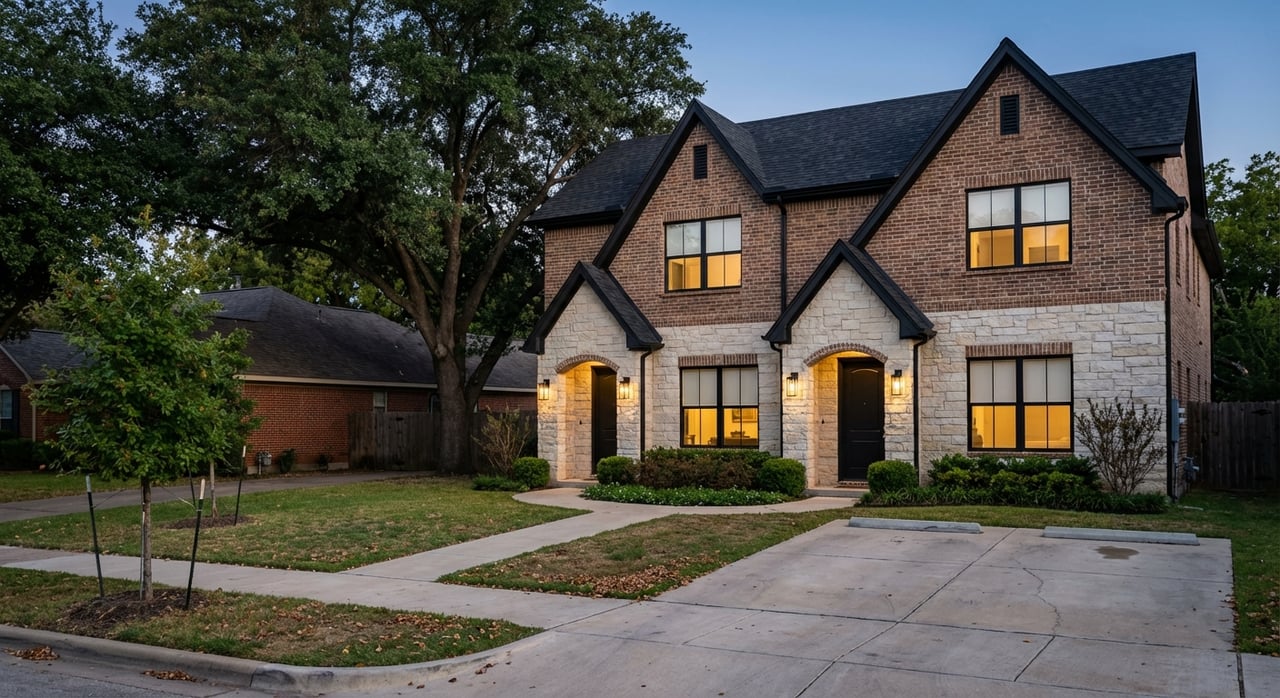
Denton Student Housing Investment Near UNT and TWU
Want steady rental demand you can plan around? Denton’s two major universities create a reliable off‑campus market that refreshes every year. If you’re a small investor, student housing can feel complex at first — from per‑bed pricing to summer vacancies and city rules. In this guide, you’ll learn where demand clusters, what typical rents look like, how leases are structured, and which local regulations to watch. Let’s dive in.
Denton’s scale is the foundation. The University of North Texas reports more than 46,000 students enrolled each fall, while Texas Woman’s University cites about 15,400 students in fall 2025. Those figures are large compared to city size and help explain persistent off‑campus demand. You can confirm these enrollment anchors through UNT’s latest announcement and TWU’s enrollment update.
Denton’s population itself is substantial and growing, with the U.S. Census estimating about 166,000 residents as of mid‑2024. That broader population supports year‑round rental activity, but academic demand is the prime driver near the campuses. You can view the city snapshot on the Census QuickFacts page.
On‑campus policies also shape the market. UNT requires most first‑year students to live on campus, which concentrates new‑to‑college demand in residence halls and pushes many upperclass and graduate students off campus. TWU has modern residence villages and policies for many under‑21 or under‑60‑credit students, with the rest seeking nearby rentals. The result is predictable turnover and strong pre‑leasing cycles for off‑campus units each spring and summer.
Blocks within roughly a half to one mile of UNT see the deepest student demand, with a mix of older houses, small multifamily, and purpose‑built student apartments. Proximity to shuttle routes, campus facilities, and downtown amenities supports per‑bed pricing. Explore the university’s off‑campus portal for a feel of the Uptown area and nearby options, including Uptown listings and resources.
Downtown sits about a mile from UNT and attracts students and young renters who like walkable dining and entertainment. While not every block caters to student leases, mixed‑tenant demand supports year‑round interest. Keep an eye on current rent trends, which you can benchmark against RentCafe’s Denton averages.
Areas immediately surrounding TWU support a smaller but steady student radius. Parliament Village and nearby private apartments signal housing clusters, with many students looking for short commutes by foot, bike, or shuttle. Inventory here ranges from small apartment buildings to single‑family rentals marketed to multi‑roommate households.
Northwest Denton and Rayzor Ranch offer newer apartments and townhomes that appeal to commuters and some students who prefer modern finishes and amenities. These addresses may trade a bit of distance for newer construction and parking. They often lease on standard 12‑month terms and can attract mixed tenant profiles.
Investors near UNT and TWU usually evaluate three broad categories. Each comes with a different rent model and operational profile.
Purpose‑built student housing (PBSA). These are professionally managed complexes that lease by the bedroom. Typical floor plans include 3×3 or 4×4 layouts, often with private bathrooms and amenities like pools, study rooms, and furnished packages. Representative underwriting for Denton student assets shows multi‑bedroom units in the low‑ to mid‑$2,000s per month, translating to roughly $600 to $900 per bed, depending on age, finish level, and location. Many of these communities also report high pre‑leasing ahead of fall. See a representative term sheet for Denton student product on StreetInsider’s filing.
Converted single‑family rentals and small multiunit (duplex/4‑plex). Owners frequently convert houses near campus into 3–6 bedroom rentals. Active examples in the campus area show 3–4 bedroom homes offered around $1,900 to $2,500 per month for the whole unit, which can translate to $450 to $700 per bedroom if fully leased. Review a representative house listing near campus on Apartments.com to calibrate expectations.
Small multifamily, townhomes, and condos. These can target multi‑student households or a mix of student and non‑student tenants. Leases often run 12 months with whole‑unit pricing, though you can market per bedroom if local code and the HOA allow.
For context, Denton’s citywide average apartment rent recently hovered around $1,525 per month, with one‑bedrooms near $1,209 and two‑bedrooms near $1,583. Those are market averages and not student‑specific, but they provide a helpful benchmark when you build your pro forma. Check the latest citywide snapshot on RentCafe’s Denton market report.
Student leasing follows a predictable rhythm. Most off‑campus marketing for the coming academic year happens from late winter through summer, with the biggest move‑ins in late July and August. If you plan to fill vacancies fast, list early and consider renewal incentives before finals week. Summer months can be softer unless you run short extensions, sublets, or a strategy to attract non‑student tenants.
Per‑bed leases can improve yield and reduce the impact of a single roommate leaving. Many student communities in Denton price and lease by the bedroom, often bundling furniture and utilities. Whole‑unit leases can simplify management but may require you to source a full roommate group at once. You can browse UNT’s off‑campus portal to see how student‑oriented properties position per‑bed vs per‑unit offerings in the Uptown area.
Furnished units and utilities‑included packages are popular with students and can support higher asking rents. Many owners require co‑signers or parent guarantors for undergraduate tenants to strengthen screening. UNT’s off‑campus support page outlines common practices, including co‑signers and documentation, which you can review through the university’s off‑campus housing guidance.
If you are considering short‑term rentals for summer or shoulder seasons, review Denton’s current ordinance first. The city updated its short‑term rental rules after regional legal changes and continues to discuss registration, spacing, occupancy, and parking measures to limit neighborhood impacts. You can read about a key update in KERA’s coverage of the City Council’s ordinance change. Confirm the latest rules directly with the city before launching an STR strategy.
Near‑campus streets can be tight, and Denton’s code includes use‑specific parking requirements for lodging and shared‑housing categories. Before you pursue higher‑occupancy roommate houses, confirm minimum off‑street parking and any neighborhood permit programs. A quick way to orient is to review the city’s zoning and parking framework summarized on Zoneomics and then verify with the city.
Screening and collections. Use a clear application process, including co‑signers or parent guarantees when appropriate. Collect employment or program verification, references, and run credit and eviction checks. The university’s off‑campus housing guidance is a helpful reference point for standard practices.
Make-ready and turnover. Student rentals often turn annually. Durable finishes like LVP flooring, washable paint, and resilient counters can lower long‑run costs. Budget for faster make‑readies and consider professional cleaning between academic years.
Insurance and liability. Ask your insurance agent about policies that address student‑occupied properties and vacancy clauses. Encourage or require renters insurance for tenants to cover personal property and small liability exposures. For general orientation on landlord coverage questions, you can review a broker FAQ such as Zensurance’s guide.
Property management. Firms with student‑housing experience can handle per‑bed billing, renewals, and roommate transitions. If you self‑manage, use detailed leases that address occupancy, guests, parking, and noise, and schedule regular, documented inspections.
Use this framework to compare options and build a conservative, market, and optimistic case for each property.
Product and rent model. Decide on per‑bed PBSA style vs whole‑unit SFR or small MF. Calibrate per‑bed ranges with representative student underwriting in Denton on StreetInsider and cross‑check whole‑unit comps via local listings like the sample near‑campus house.
Projected gross rent. Multiply achievable per‑bed rent by bedroom count or use whole‑unit comps. Sanity‑check with Denton’s average city rent to ensure you are in the right ballpark.
Operating expenses. Include property taxes, insurance, utilities if included, lawn care, pest control, turns, and management. Expect higher turnover and touchpoints for student product.
Vacancy allowance. Build a buffer for summer or shoulder months. If you plan to fill summers with non‑student tenants or short terms, confirm Denton’s current STR rules through resources like KERA’s ordinance summary.
Reserves and replacements. Budget for periodic furniture replacement, deep cleaning, paint, and bedroom‑level repairs.
Compliance and fit. Verify parking minimums and any HOA restrictions. Start by reviewing code summaries on Zoneomics, then confirm with the city.
Exit thinking. Compare your basis and cash flow to similar sales and rent rolls in the area. Favor flexible layouts that stay competitive if student demand shifts.
Student housing in Denton rewards clear planning, solid operations, and strong local comps. If you want help zeroing in on the right streets, realistic per‑bed ranges, and management options, partner with an advisor who works this corridor often. To discuss targets near UNT and TWU or to pressure‑test a pro forma before you write an offer, connect with Lorraina Moore.
Lorraina Moore is dedicated to helping you find your dream home and assisting with any selling needs you may have. Contact her today to start your home searching journey!