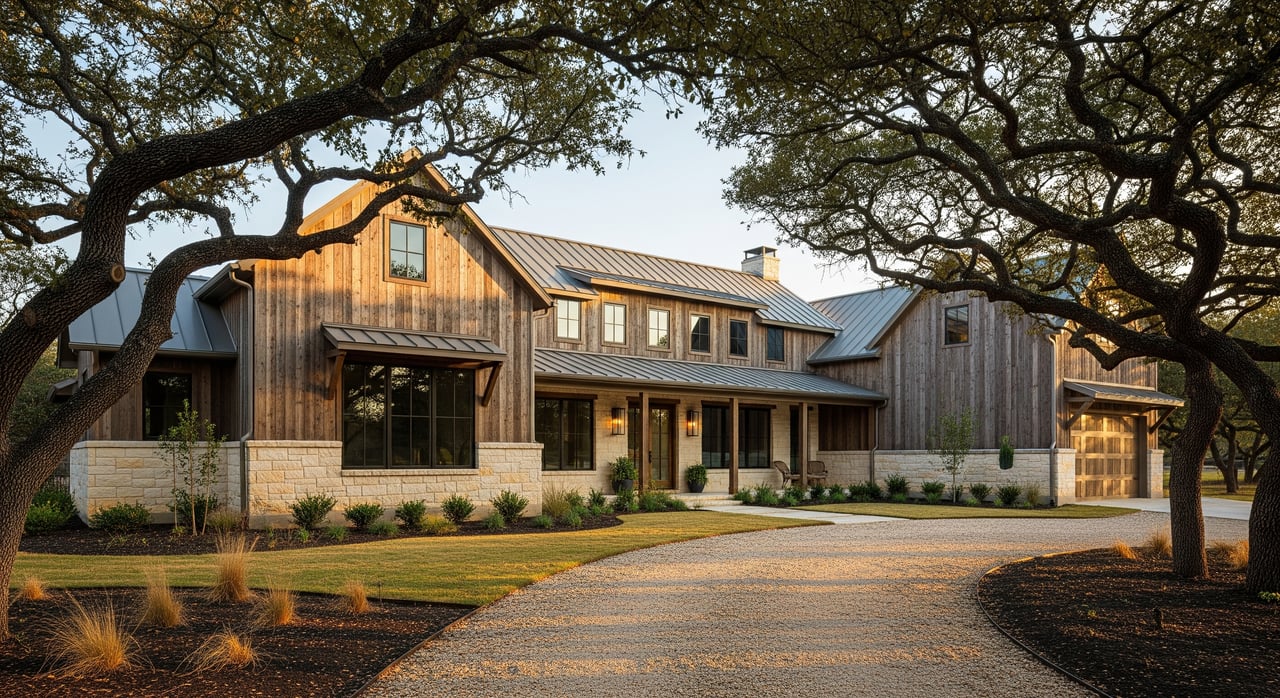
Remodeling in Denton? Your 2021 I‑Codes Cheat Sheet
Thinking about opening up your floor plan or adding a new suite in Denton? Before you swing a hammer, the 2021 International Codes shape what you can build, the permits you’ll need, and what inspectors will check. It can feel like alphabet soup, especially when your contractor starts talking about IECC, IRC, and Manual J.
This guide breaks the 2021 I-Codes into plain language so you know what to expect with design, permitting, inspections, and timelines. You’ll get practical checklists, a typical inspection sequence, and common roadblocks to avoid.
Every city can amend the model codes, so you should always confirm Denton’s current adoption and any local amendments with Development Services. With that in mind, let’s dive in.
The International Code Council publishes model codes that many Texas cities adopt with local tweaks. For most home remodels and additions, you’ll see these names on plans and inspection notes:
Electrical rules come from the National Electrical Code, which is published by a different organization. Cities adopt a specific NEC edition, so always verify which one Denton enforces.
Key takeaway: Adoption of the 2021 editions typically raises the bar on energy efficiency, ventilation, and safety. These codes also define what needs a permit, which inspections are required, and the technical minimums your contractor must meet.
If your project involves an addition, removing or moving a load-bearing wall, or changing foundations and roof spans, you will trigger a building permit and structural review. Inspectors will look for correctly sized beams, headers, and joists, proper foundation design and reinforcement, and wind anchorage that suits North Texas conditions.
When the design goes beyond the tables in the IRC or changes major load paths, you can expect to need a structural engineer’s stamp. This is common for second-story additions, big openings in bearing walls, and significant foundation work.
The 2021 IECC tightens requirements for insulation, windows, air sealing, and HVAC efficiency compared to older editions. You have two main ways to comply:
In practice, you may need upgraded insulation, better windows, continuous air barrier details, and airtight ductwork in new or altered areas. Expect to provide energy documentation with your plans and, in many cases, test results for duct leakage or ventilation airflow.
New or replaced HVAC equipment usually requires sizing calculations. Your contractor should provide Manual J for heating and cooling loads, Manual S for equipment selection, and Manual D for duct design. The goal is comfort and efficiency, not oversizing.
You may also need mechanical ventilation to meet indoor air quality rules. In tighter homes, inspectors will look for proper makeup air, combustion air for gas appliances, and carbon monoxide safety.
Additions, panel upgrades, new 240-volt circuits, and kitchen or bath rewiring will trigger electrical permits. Modern safety features are standard: AFCI and GFCI protection in the right locations, tamper-resistant receptacles in new rooms, and interconnected smoke and carbon monoxide alarms where required.
Because cities adopt specific NEC editions, confirm the one Denton uses so your electrical contractor sets outlets, circuits, and protection correctly.
If you are adding or altering bedrooms or basements, the code requires compliant egress and properly placed, interconnected smoke and CO alarms. When you modify garages or attached accessory structures, fire separation details may be required between the garage and the living space. Inspectors will verify these items at rough-in and final inspections.
The IEBC recognizes that remodels are different from new construction. Many projects use the “work area” method, which focuses upgrades on the areas you alter. You will still need to meet thresholds for safety and energy in the work area, and some systems may need updates if they are affected by the remodel.
Every jurisdiction manages permitting a little differently, but the process follows a predictable flow. Use this as your roadmap and confirm details with City of Denton Development Services if your home is inside city limits. If you are in unincorporated Denton County, county rules may differ.
Start with zoning research: setbacks, lot coverage, drainage, and any HOA restrictions. If the city offers pre-submittal meetings, a 15-minute check-in can flag issues like floodplain or tree protection before you pay for full drawings.
For additions and major remodels, plan on providing:
Your review moves faster when drawings are clear and include the code tables used for sizing. If your design needs engineering, include the engineer’s stamped details up front.
The building department will review your plans across several disciplines: structural, energy, mechanical, plumbing, and electrical. Turnaround varies by complexity and workload. Simple projects can clear in days while larger additions may take weeks, especially if revisions are needed.
Once you address comments and pay fees, the city issues your permit. Post the permit card on site where inspectors can see it.
Inspections align with major milestones. Your project may include some or all of these steps:
Inspectors will compare what they see to the approved plans, energy documents, and manufacturer specs. Keep documentation on site to speed visits.
Before you use the new space, complete all final inspections and any required certificates, such as HVAC start-up verification. For some projects, the city issues a certificate of occupancy or a final inspection record.
Under the 2021 I-Codes, documentation is not optional. Set clear expectations with your design and build team so submittals and inspections go smoothly.
Plan review, revisions, and inspections can add weeks to your schedule. If your project needs engineering or multiple resubmittals, add extra buffer time. Order long-lead items, like specialty windows, early so energy documentation and field installations match.
To control costs, align your design with prescriptive code tables where possible, or use performance modeling only when it saves more than it costs. Mismatches between drawings, equipment on site, and energy reports are a common source of delays and change orders.
Code-compliant upgrades and clean documentation support a smoother sale later. Buyers and appraisers appreciate visible quality, proper permits, and final inspection records. Energy improvements can improve comfort and operating costs, which strengthens your home’s story in the market.
If you are remodeling before a future sale, a brief strategy session up front can help you choose scope that aligns with buyer expectations in Denton and nearby suburbs, without overbuilding.
Ready to map your remodel to your long-term goals? If you are preparing to sell or buying a home you plan to renovate, reach out for local guidance on what pays off and how to time your project with the market. Let’s make your plan clear, compliant, and resale-smart.
Unknown Company — Let’s connect.


Lorraina Moore is dedicated to helping you find your dream home and assisting with any selling needs you may have. Contact her today to start your home searching journey!