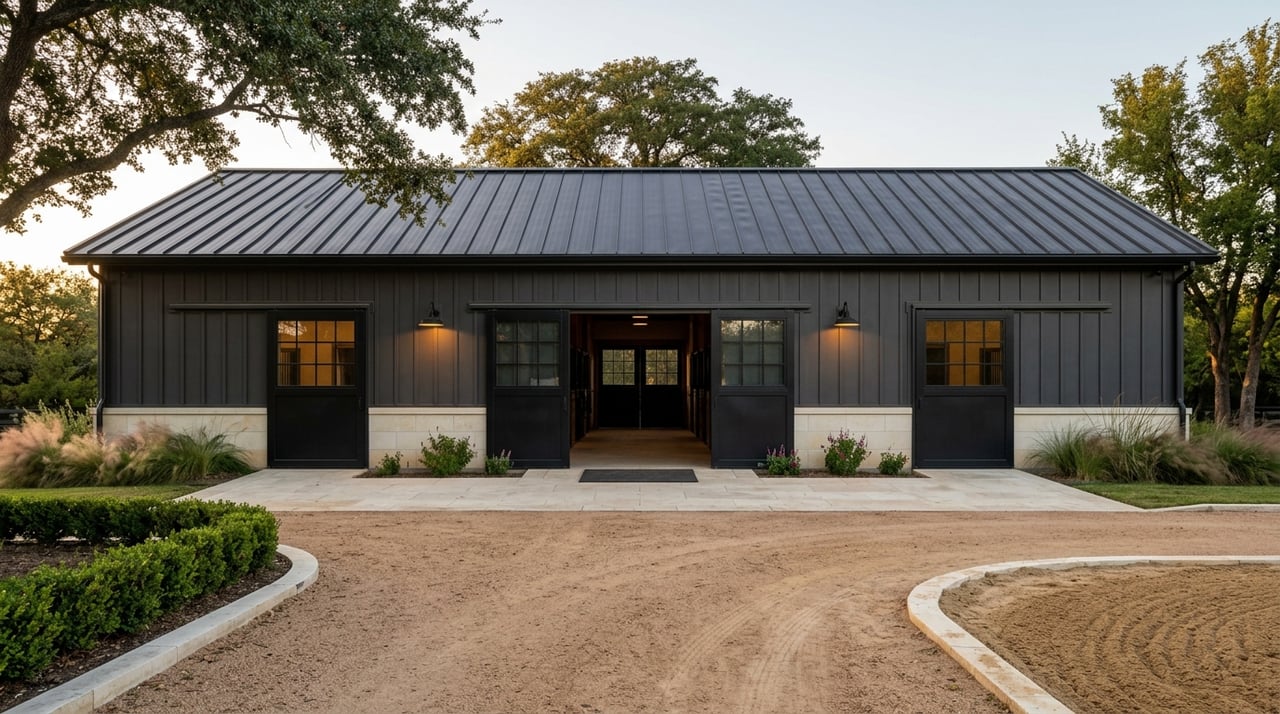
Argyle Equestrian Properties and Small-Acreage Guide
Dreaming about room for a barn, a few fenced paddocks, or simply more space between you and the next roofline? In Argyle, that vision can be very real, but it takes more than buying a house with a big backyard. If you want equestrian or small-acreage living in the 76226 area, you need to understand how lot size, zoning, permits, drainage, and daily upkeep all work together. Let’s dive in.
Argyle stands out in north-central Denton County for buyers who want a more open, land-oriented lifestyle while staying connected to the Dallas-Fort Worth metro. According to the town’s community information, the area includes wooded lots, gently rolling hills, and homesites that range from smaller lots to multi-acre tracts.
That mix matters because it gives you options. Argyle’s quality-of-life information notes that typical lot sizes are around 1 to 2 acres, with numerous 5 to 10+ acre tracts that can suit farming, ranching, and equestrian use. In other words, you can find both a manageable estate lot and a larger property with more room to plan around animals and equipment.
Argyle’s SF-1 zoning district is a low-density, one-acre district. The town ordinance also allows this type of development to use more rural-style features such as open drainage ditches, rural street sections, and no sidewalks.
That creates a setting many buyers associate with country-style living. At the same time, the code still includes structure and rules, which is important if you are trying to decide whether a property is just visually appealing or truly functional for your goals.
A one-acre lot can be a strong fit if you want more privacy, room for outdoor living, or a hobby-scale setup. It may also work well if you like the equestrian lifestyle but plan to board horses elsewhere.
A larger multi-acre tract usually gives you more flexibility for features like paddocks, turnout space, barns, and possibly a riding area. The key difference is not just size on paper. It is how much usable land remains after setbacks, drainage needs, and layout constraints are considered.
This is the part many buyers miss. In Argyle’s SF-1 district, private animal lots and stables are allowed only by specific use permit.
That means horse use is not automatic just because a property sits on an acre or more. Before you assume a listing can support your plans, you need to understand what the town code requires.
The ordinance requires at least 1.5 acres of land available for grazing. It also limits the property to no more than one animal per acre of grazing land.
That requirement alone can reshape your search. A home with a beautiful one-acre setting may still not provide enough grazing area for an on-site horse setup under the local standard.
The same ordinance requires a sheltered 10-by-10 stall for each animal kept indoors. It also sets minimum setbacks of 50 feet from any street or lot line and 100 feet from any adjacent existing residence for these uses.
Those rules are a big reason site planning matters so much. A property may have enough total acreage, but the usable footprint for a barn or stable can shrink quickly once you account for building placement and buffer distances.
Argyle also limits open storage in this district, allowing only screened materials for personal use or farm equipment. For you as a buyer, that means feed storage, equipment placement, manure handling, and corral design all need to fit the property in a clean, workable way.
This is why acreage shopping should go beyond square footage and curb appeal. The house is only part of the decision. The land plan is just as important.
This is one of the most common questions in Argyle. The short answer is that one acre is the base estate lot size, but it is not automatically enough for a functional on-site horse setup.
Because horse use depends on grazing acreage, setbacks, and a specific permit, a one-acre lot may be better suited to buyers who want the feel of acreage living rather than full at-home horse care. For some households, that is ideal. You get space and privacy while boarding elsewhere and keeping your home life simpler.
Living on acreage can be rewarding, but it comes with a rhythm that is different from a standard suburban home. If horses are part of the plan, you should expect regular work tied to feed and water, stall cleaning, fence checks, turnout, pasture monitoring, and drainage control.
That work is not just optional upkeep. It affects the condition of the land, the functionality of the property, and your long-term costs.
Penn State Extension recommends a manure management plan for horse operations and notes that manure in stalls and other small confinement areas should be removed within 24 to 72 hours to help limit parasite development. Even on a smaller home setup, that becomes part of your routine.
Pasture management matters too. University of Minnesota Extension says stocking rates vary, but a well-managed pasture may need about 1 acre per horse, while poorer pasture can require more land. Texas A&M AgriLife materials also note that small-acreage owners can successfully use pastures and that combining forages can keep horses on pasture for much of the year.
Denton climate normals show average July and August highs in the mid-90s, with about 38 inches of annual precipitation and rainfall that is uneven through the year. For acreage owners, that usually means shade, reliable water access, mud control, and drainage planning should stay high on the priority list.
A property can look great during a showing and still present challenges after a heavy rain or during peak summer heat. That is why land evaluation should include more than surface appearance.
Not every equestrian buyer needs a full at-home horse setup. In Argyle, some buyers use a small-acreage property as a lifestyle home base and board additional horses elsewhere, especially when the property is closer to the one-acre end of the market.
This option can make sense if you want the open feel of acreage without taking on every part of daily horse care. It often comes down to how much labor, land use, and ongoing maintenance you want to manage yourself.
For many acreage buyers, septic is a major practical issue. The Texas Commission on Environmental Quality says permits are required to construct, install, alter, extend, or repair an on-site sewage facility, and a permit plus an approved plan are required to construct, alter, repair, extend, and operate one.
In unincorporated Denton County, Denton County Public Health administers the local OSSF order, including design review, construction permits, final inspections, and enforcement. If you are evaluating acreage outside more typical suburban utility patterns, this is an important part of due diligence.
Denton County also says an OSSF should not be treated like a normal city sewer system and recommends cleaning septic tanks on a regular schedule of about every two to three years. That cost should sit right beside fencing, bedding, hay, and general property upkeep in your planning.
For many buyers, this is where the monthly budget picture becomes clearer. Acreage can offer more freedom, but it often brings more systems for you to maintain directly.
Tax treatment is another area where buyers often want clarity. The Texas Comptroller states that agricultural use includes raising or keeping livestock, and qualified agricultural land is appraised on productivity value rather than market value.
But there is an important distinction. The Comptroller also says that merely owning a horse does not qualify a person for an ag/timber number. The land use itself must meet the agricultural rules, so you should avoid making assumptions about tax treatment based on lifestyle alone.
If you are still deciding where to focus your search, it helps to see Argyle in context. It often sits in a middle ground between a more utility-connected suburban setting and a deeper rural land market.
Northlake’s comprehensive plan says the town will preserve 50% of itself for open spaces and large lots. Its rural residential areas are characterized by large-lot ranch and farm development, with minimum lot sizes generally around 5 acres.
If you want broader land patterns and larger lot expectations on paper, Northlake may appeal to you. That said, your property search still needs to match your actual use goals.
Bartonville planning materials describe a rural-suburban mix that includes 2-acre residential areas intended to preserve a rural atmosphere. Other Bartonville land-use documents also reference one-acre residential districts and agricultural areas with 10-acre minimums in some tracts.
That creates a different blend of lot patterns depending on the specific area. For buyers comparing Argyle and Bartonville, the best fit often comes down to the balance you want between neighborhood structure and open land.
Flower Mound is the more suburban comparison, but it still has a visible equestrian presence. The town maintains about 64 miles of multiuse trails, 4.2 miles of equestrian trails, and another 10.3 miles of equestrian trails on Corps of Engineers land around Grapevine Lake.
If you want horse-related amenities nearby but not necessarily a more land-intensive home setup, Flower Mound may enter the conversation differently than Argyle. The lifestyle overlap is there, but the property profile is not the same.
When you tour an Argyle acreage property, it helps to think beyond the listing photos. A smart evaluation usually includes:
The right property is not always the largest one. It is the one that supports the way you actually want to live.
If you are weighing Argyle against Bartonville, Northlake, Flower Mound, or another northern DFW suburb, local guidance can help you sort through the tradeoffs faster. From lot configuration to day-to-day practicality, the details matter.
If you want help finding an Argyle property that matches your acreage goals, connect with Lorraina Moore for thoughtful, hands-on guidance tailored to how you want to live.
Lorraina Moore is dedicated to helping you find your dream home and assisting with any selling needs you may have. Contact her today to start your home searching journey!