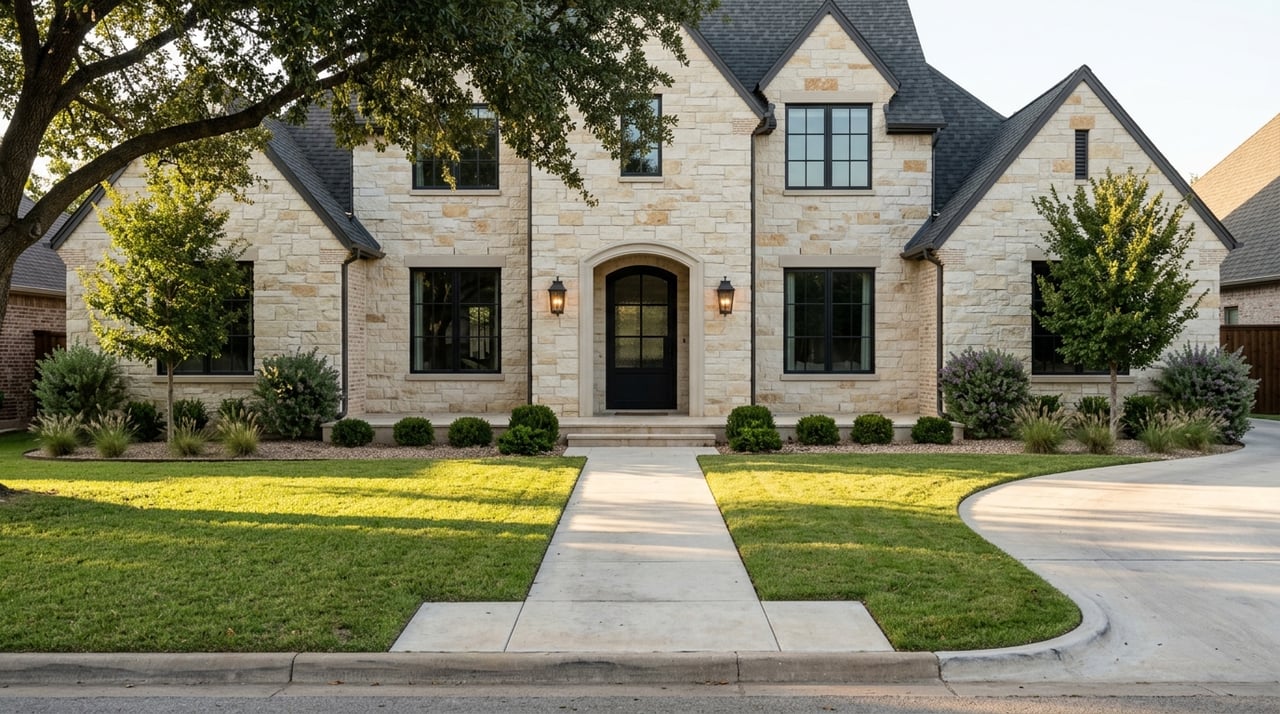
How to Build a Custom Home on Land in Argyle
Dreaming about a custom home in Argyle is exciting, but the land itself usually decides what is possible. Before you fall in love with a floor plan, you need to know whether the parcel can support your vision, what approvals apply, and how local requirements may affect your budget and timeline. If you are planning a custom home on land in Argyle, this guide will help you understand the key steps so you can move forward with more confidence. Let’s dive in.
When you plan a custom home on land in Argyle, the first question is not about finishes or square footage. It is whether the parcel is actually buildable under the rules that apply to that specific location. That means confirming whether the property is inside Argyle town limits, in Argyle’s ETJ, or in unincorporated Denton County.
That distinction matters because each path can involve different approval steps. The Town of Argyle handles zoning, platting, land use, and tree preservation within its process, while Denton County requires development permits for development in unincorporated areas. If the property is in the ETJ, county plat filing may also depend on approval from that jurisdiction first.
One of the biggest early issues is whether the lot is already platted or is a legal lot of record. Argyle cannot issue a building permit for a property that has not been platted or otherwise established as a legal lot of record. If land is being divided into two or more parcels, developed from previously unplatted contiguous parcels, or includes public improvements to be dedicated to the town, platting is required.
For some unplatted tracts, a preliminary plat is usually part of the process. This often applies to tracts larger than ten acres, tracts that do not conform to Denton Central Appraisal District map dimensions, or projects involving streets, drainage ways, or utilities that will be dedicated. If you are buying land now and building later, timing matters too, because an approved plat must be filed with the county within two years or it becomes invalid and must be reapproved.
Even if a parcel is buildable, that does not mean you can place the house anywhere you want. Setbacks and easements help define the actual building envelope. In Argyle, setback requirements vary by zoning district, and setbacks do not include easements or platted building lines.
This is an important step because the usable footprint on paper can be smaller than you expect. A wide floor plan, a long driveway, a pool, or a detached structure may all compete for space once setbacks, easements, and drainage considerations are factored in. It is better to understand those limits early than to redesign plans later.
Utility planning is one of the most common reasons custom-home timelines stretch out. In Argyle, water service is parcel-specific, and the Town of Argyle does not provide water connections. Property owners are directed to Argyle Water Supply Corporation for water service, and gas and electric providers may vary by location.
That means utility availability should be checked before your plans are finalized. If water, electric, gas, driveway access, grading, or sewer connections are more complicated than expected, your site plan and construction budget may need to change. On acreage parcels, those details can shape the project just as much as the home design itself.
If town sewer is not available, septic planning becomes part of the build. In that case, Denton County treats the onsite sewage facility process as a separate permitting track, and that adds another layer of review and coordination.
If your homesite is inside town limits, Argyle requires permits before new construction begins. The town uses adopted building and energy codes with local amendments, and complete applications are required before a permit can be issued. The process is also fully paperless, which makes file organization and complete documentation especially important.
For a new single-family home, the permit package can include several pieces that buyers do not always expect at first glance. Argyle’s submittal checklist calls for:
Argyle also notes that complete residential permit packets should be allowed at least 10 working days for review. Incomplete packets do not move forward, so a missing document can slow down the start of construction.
Many custom-home buyers focus on the home design first, but on larger lots or rural-style parcels, site prep often drives the schedule. Grading, drainage, access, tree protection, and utility layout may all need attention before excavation and foundation work can begin. Because Argyle requires both a tree-related plan and an engineer-stamped grading plan, civil engineering is often part of preconstruction for acreage homesites.
If the parcel is in unincorporated Denton County, development is broadly defined and can include grading, excavation, paving, and similar site work. That means a county development permit may be required even before the vertical build starts. If the property fronts a county-maintained road, a culvert permit may also be needed for a new drive or for development using an existing drive.
Floodplain review can also affect planning. If the structure is in a FEMA special flood hazard area, Denton County requires a post-construction finished-floor elevation certification by a Texas registered professional surveyor, engineer, or architect. That is one more reason to evaluate the site conditions carefully before your plans are locked in.
If sewer is not available, septic is not just a box to check. Denton County requires a valid soil and site evaluation and a scaled site plan showing features like the lot, buildings, drain field, wells, floodplain, slopes, and easements. The county also requires review, construction approval, and a final inspection before the system can be put into operation.
For buyers, the takeaway is simple: if your Argyle land will need septic, bring that into the planning conversation immediately. Septic placement can affect where the house sits, how the driveway lays out, and how much of the lot remains usable for other improvements.
One of the best ways to plan a custom home in Argyle is to think in phases instead of one long construction calendar. Preconstruction can take weeks or months before excavation begins, especially on unplatted land or sites that need utility coordination, septic review, grading work, or county permits.
A practical sequence often looks like this:
Argyle states that a complete plat must be acted on within 30 days of official filing, and a complete residential permit packet needs at least 10 working days for review. Those windows are helpful, but they are only part of the picture. If your project also involves county development review, floodplain review, or OSSF approval, you should plan for additional time.
If you are building a larger custom home, there is one detail you should identify early. Argyle’s permit application states that buildings 5,000 square feet and over require fire suppression. That requirement can affect pricing, design coordination, and the permit package, so it is wise to address it before plans are finalized.
This is especially relevant in Argyle, where many buyers are drawn to larger homes on generous lots. If your wish list includes a bigger footprint, make sure the builder is pricing and planning for every local requirement upfront.
A smooth custom-home process usually depends on the right professionals being involved before the floor plan is final. In Argyle, plats must be signed and sealed by a Texas registered surveyor, and contractors must register with the town before performing work within town limits. Depending on the parcel, you may also need a civil engineer and a septic professional.
For septic-related work in unincorporated areas, Denton County requires the site evaluation to be performed by a licensed professional engineer or a licensed site evaluator who holds a registered sanitarian license. That is why early team assembly matters so much. Utility access, grading, drainage, floodplain limits, and septic constraints can all influence what is realistically buildable.
A strong team helps you make better decisions before you spend time and money on plans that may need major changes. It also helps you keep expectations realistic about costs, timing, and approval steps.
If you are planning a custom home on land in Argyle, the smartest first move is usually not choosing finishes or even finalizing the house design. It is confirming the land’s feasibility, approval path, and service setup. That early work can help you avoid delays, protect your budget, and build with fewer surprises.
Argyle remains a compelling place to plan a custom home, especially if you want more space and a more tailored living experience in northern DFW. But every parcel has its own story, and the details matter. When you understand platting, permits, utilities, setbacks, and site conditions upfront, you put yourself in a much stronger position to create a home that fits both your vision and the land.
If you are weighing land options in Argyle or trying to understand which parcel makes the most sense for your goals, working with a local real estate advisor can help you ask the right questions early. When you are ready to talk through your next move, connect with Lorraina Moore for personalized guidance.
Lorraina Moore is dedicated to helping you find your dream home and assisting with any selling needs you may have. Contact her today to start your home searching journey!