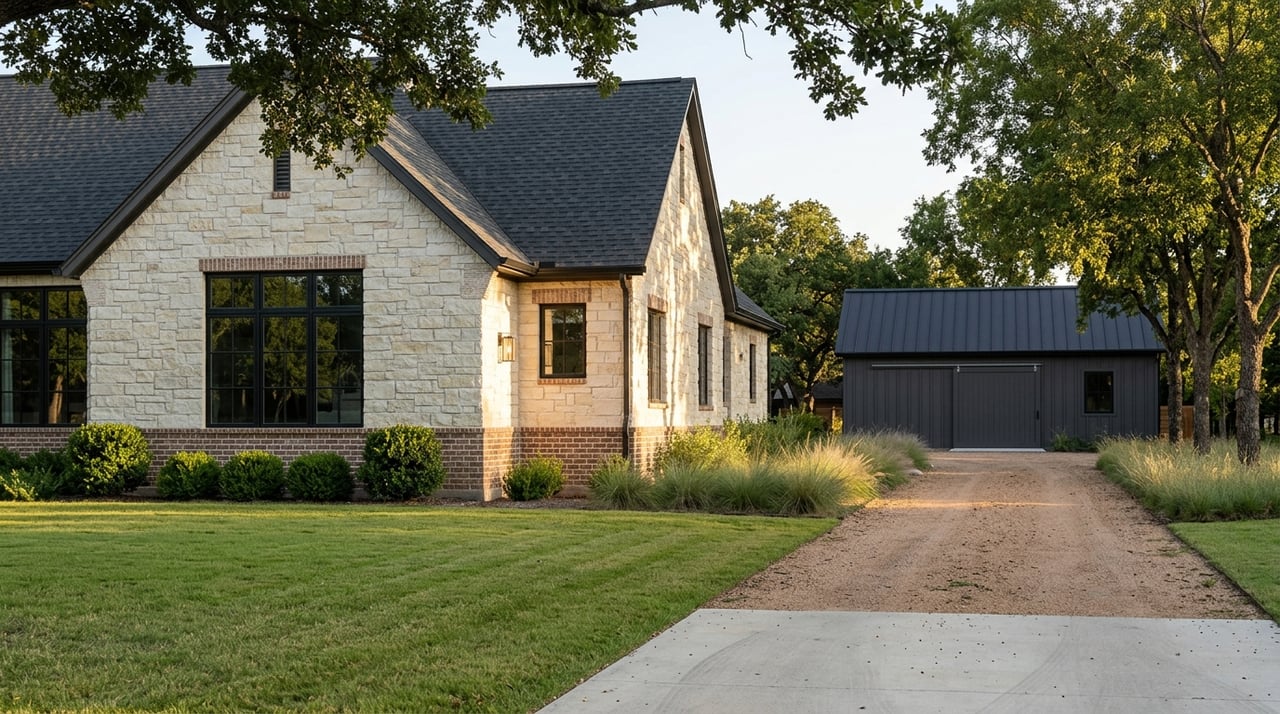
What Living on Land in Argyle TX Is Really Like
If you want more space to breathe without losing touch with the Dallas-Fort Worth Metroplex, living on land in Argyle can feel like a rare middle ground. You may be picturing room for a barn, extra garage space, or simply a little more privacy, but acreage living here comes with important rules and property-specific details. This guide will help you understand what day-to-day life on land in Argyle really looks like, what to verify before you buy, and how to approach your search with confidence. Let’s dive in.
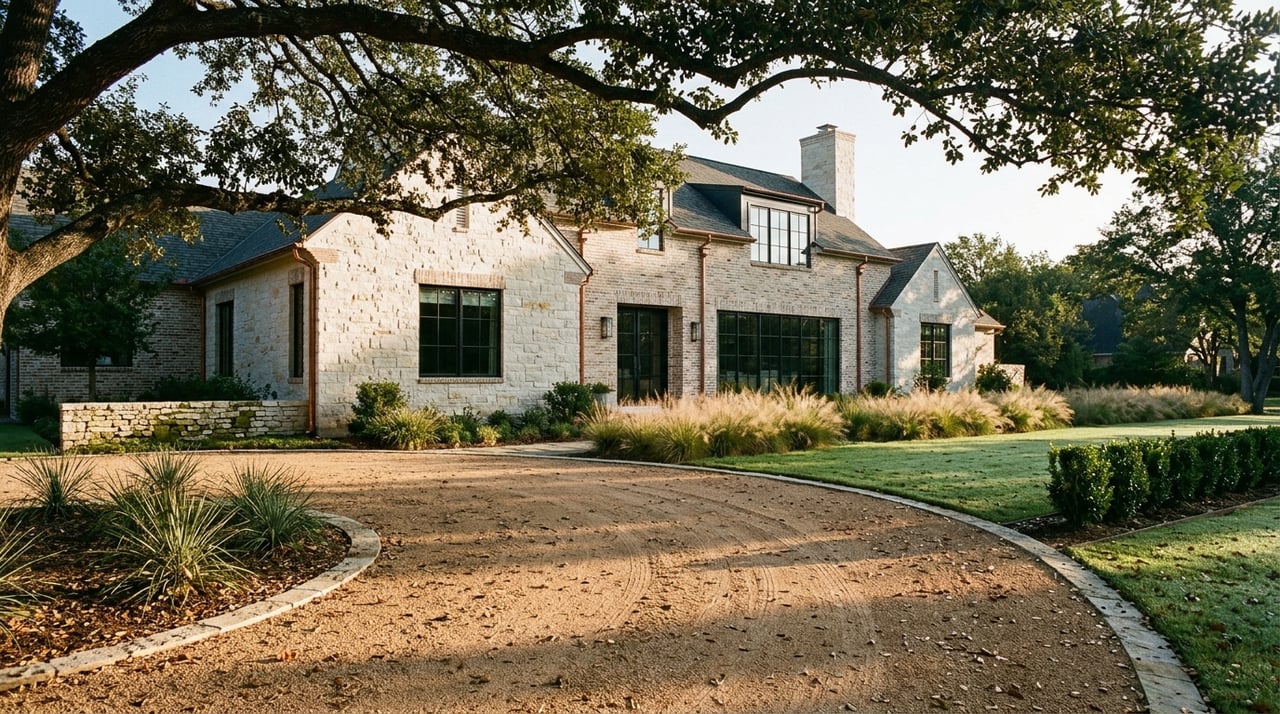
Argyle describes itself as a wooded, gently rolling community with housing that ranges from smaller-lot homes to multiple-acre custom properties. According to the town’s quality of life information, typical lots are often 1 to 2 acres, with many 5 to 10+ acre tracts that may suit farming, ranching, and equestrian use.
For many buyers, that balance is the appeal. You can find more room than in many suburban neighborhoods while still keeping access to the greater DFW area and DFW Airport. If you want land without feeling completely remote, Argyle often stands out for exactly that reason.
Living on land in Argyle is usually less about isolated country living and more about estate-lot living with rural characteristics. The town’s zoning pattern includes Agricultural districts along with several single-family districts, such as SF-2.5, SF-1, SF-10, SF-12, and SF-20, which shows that the area includes both larger estate-style homesites and more conventional residential development.
In practical terms, that can mean wider lots, more distance between homes, and more flexibility for outdoor use than you may find in a typical subdivision. It can also mean features like rural street sections in some areas, including open drainage ditches and no sidewalks in certain SF-1 developments, based on the town’s zoning ordinance.
That setting appeals to buyers who want space for hobbies, storage, animals, or future improvements. At the same time, it is important to know that larger lots in Argyle are still shaped by town rules, permits, and code compliance.
One of the biggest things to understand is that not every property in Argyle works the same way. The town’s official materials and zoning map show a mix of districts, and what you can do with a property will depend heavily on the zoning for that parcel.
For example, the current SF-1 district is a one-acre estate district. Under the ordinance, SF-1 includes a 150-foot minimum lot width, a 50-foot front yard setback, 15-foot side and rear setbacks, and a maximum lot coverage of 20%. Those standards affect where a home, detached structure, or other improvements may fit on the lot.
If you are comparing properties, this matters more than the acreage number alone. Two parcels may both be around an acre or more, but their zoning, setbacks, and permit requirements can create very different options for how you use the land.
This is one of the most common questions buyers ask, and the answer is: possibly, but not automatically.
Under Argyle’s 2025 amendment for the SF-1 zoning district, private animal lots and stables require a specific use permit. The ordinance states there must be at least 1.5 acres available for grazing, and the animal area must meet setback requirements of 50 feet from any street or lot line and 100 feet from adjacent existing residences. The ordinance specifically mentions horses, cattle, and sheep among the usual farm animals.
That means you should not assume that buying a larger lot automatically allows horses or other livestock. If animals are part of your plan, it is smart to verify zoning, permit requirements, and the actual usable layout of the property before you move forward.
Many buyers looking for land also want room for a workshop, barn, shed, or additional storage. In Argyle, accessory structures are often allowed, but they are still regulated.
The town’s accessory structure handout says most accessory buildings require permits. They must generally be at least 10 feet from side and rear lot lines, and they cannot be used for residential living or commercial purposes.
There is a limited permit exception for portable accessory buildings under 120 square feet and 8.5 feet in height. Even so, if you are buying with plans for a detached garage, barn, or shop, it is worth confirming what is already permitted on the property and what approvals may still be needed.
On larger lots, utilities can be one of the most important due diligence items. Argyle’s utility provider information notes that water connections are handled by Argyle Water Supply Corporation, which is separate from the town.
Inside town limits, the Public Works Department is responsible for sanitary sewer collection, while the property owner is responsible for the service line from the town main to the structure. Public Works also handles on-site sewage facility permitting and inspections, so some properties may rely on sewer while others may require OSSF or septic-style service.
This is why buyers should confirm utility service on a parcel-by-parcel basis. A property’s water, sewer or OSSF setup, trash collection details, and even gas or electric providers can vary depending on location.
Acreage living does not necessarily mean giving up suburban basics. The town highlights continued access to the Metroplex, and its utility information includes Monday trash and recycling collection, along with bundled brush and bulk pickup.
That said, convenience can still look different from what you may be used to in a master-planned neighborhood. Service providers may vary by property, road conditions may differ, and some areas may feel more rural in design even when they are still connected to town systems.
For many buyers, that trade-off is worth it. You may get more outdoor space, more separation from neighboring homes, and a property that better fits your lifestyle goals.
More land usually means more maintenance. That can include mowing larger areas, caring for fencing, managing drainage, and keeping outdoor storage organized.
Argyle’s code enforcement page makes it clear that acreage properties are still subject to active oversight. The town focuses on issues such as high grass and weeds, trash and rubbish accumulation, junked vehicles, parking on grass, and RVs parked or lived in on residential lots.
If you are hoping for completely unrestricted country use, that may not match the reality of living in or near Argyle. In most cases, the better way to think about it is a residential community with rural features, not a free-for-all.
Another important detail is whether a property is inside Argyle town limits or in the ETJ, which is the extraterritorial jurisdiction. The town advises buyers to check this through its interactive map guidance or Denton CAD property details.
This matters because zoning, permits, tax entities, voting privileges, and road-maintenance responsibilities can differ depending on the property’s location. Two homes with similar acreage may come with different processes and obligations simply because one is in town and the other is not.
If you are relocating or buying land for the first time, this is one of the easiest details to overlook. It is also one of the most important to verify early.
Before you make an offer, it helps to narrow your search with a few practical questions:
These questions can save you time and help you focus on properties that truly fit your goals, whether you want a custom estate feel, room for equipment, or land that supports a hobby-based lifestyle.
If you want space, privacy, and flexibility while staying connected to northern DFW, Argyle can be a strong fit. The area offers a mix of lot sizes, estate-style settings, and larger tracts, but your experience will depend on the specific property, zoning, and utility setup.
The key is to approach acreage living with clear expectations. When you understand the rules around animals, outbuildings, utilities, and property location, you can shop smarter and avoid surprises later.
If you are considering land in Argyle or anywhere nearby, Lorraina Moore can help you compare properties, spot the details that matter, and find the right fit for your lifestyle goals.
Lorraina Moore is dedicated to helping you find your dream home and assisting with any selling needs you may have. Contact her today to start your home searching journey!